After “dom or sub?”
How 16Kinks reads what you want: four questions, sixteen types, and what we mean by them.
The first question
It usually comes early. On a kink app, in a first message, sometimes before anyone has said hello: “Dom or sub?”
It's a fair question. It's also where most conversations about kink stall. You answer, and the other person knows roughly where you stand, and almost nothing about what you actually want once the door is closed. Two people can both say “sub” and be hoping for completely different nights.
16Kinks started from that gap. It's an 84-question test for adults, and it doesn't stop at the first question. It asks three more, each one picking up where the last answer leaves off. Four answers give you a four-letter type: one of sixteen, each with a name you can hold up against your own experience, argue with, or show to someone else.
What follows walks through those four questions in order: what each one asks, what people tend to get wrong about it, and how they add up.
Where you stand
The first question is the familiar one, asked more precisely: when things get charged, do you set the frame, or step into one?
If you lean D, you like deciding what happens: the rules, the pace, the next instruction. Part of the pleasure is carrying responsibility for how the other person's night goes. If you lean S, you like handing that over: following, being guided, letting someone else's structure hold you, and not having to steer.
Neither side is about volume or strength. Some of the most dominant people barely raise their voice, and giving up control takes trust, attention and a very clear sense of your own limits. Neither letter says who you are outside sex, either. Plenty of people who run things all day want to put that down at night.
Change only this letter and you can see what it carries.

“Because I know you, I won't have to push — you'll walk to me on your own.”
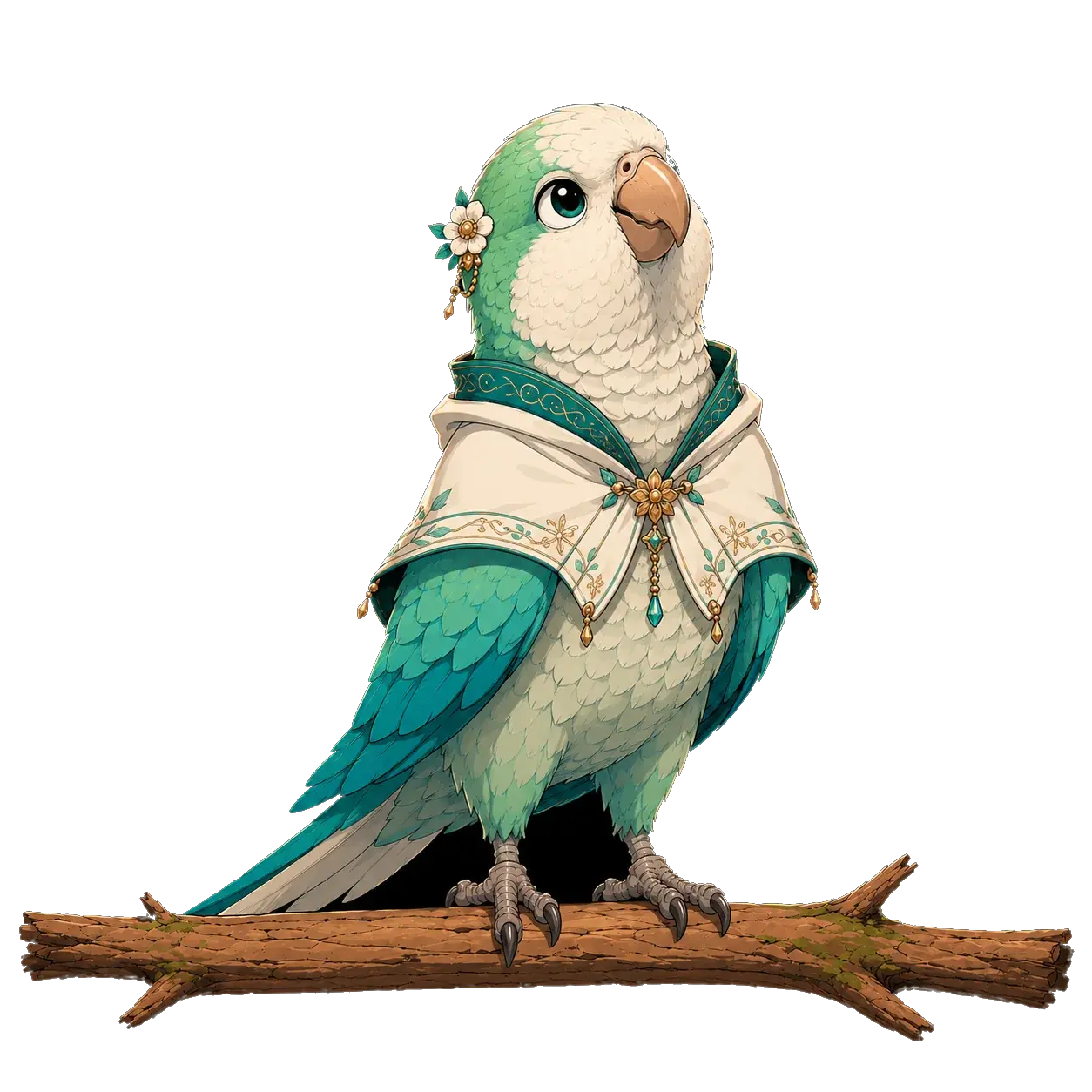
“One word of praise from you — and I'll give you anything.”
Where it lives
Say you know you lean dominant. Two dominant people can still want very different things, and the second question finds the first big split: does your kink live in an ongoing relationship, or in the scene itself?
For I, short for inner, it carries on after the scene ends. Titles, small rituals, a rule that still holds on a Tuesday afternoon, the steady sense of belonging to someone or being in charge of them. The dynamic is part of the relationship, not only something you do inside it.
For O, short for outer, it comes alive in a specific scene: the build-up, the tension, the craft of the moment. When it's over, it's over. That isn't a lack of commitment. Plenty of O types are in long, devoted relationships; their kink simply lives in the scenes. And I doesn't have to mean 24/7. One shared ritual can be enough.

“Break my rules — your body will help you remember.”

“I hit hard — but every strike is reading your reaction.”
How it starts
The first two answers say where you stand. The last two say how you get there. The third question: what gets you into the headspace first, your body or your mind?
For B, sensation is the way in: touch, pressure, restraint, impact, the position you're put in. Things start once something physical happens. That's much broader than pain. Being held completely still, rope that fits, the right pressure in the right place: all of it is body-led.
For M, meaning is the way in: words, anticipation, a command, suspense, being watched or read. A whole scene can be underway before anyone touches anyone. That doesn't make it less physical. The switch just sits somewhere else.
Most people use both. The letter says which one usually goes first.

“Harder. That's when I'm most alive.”
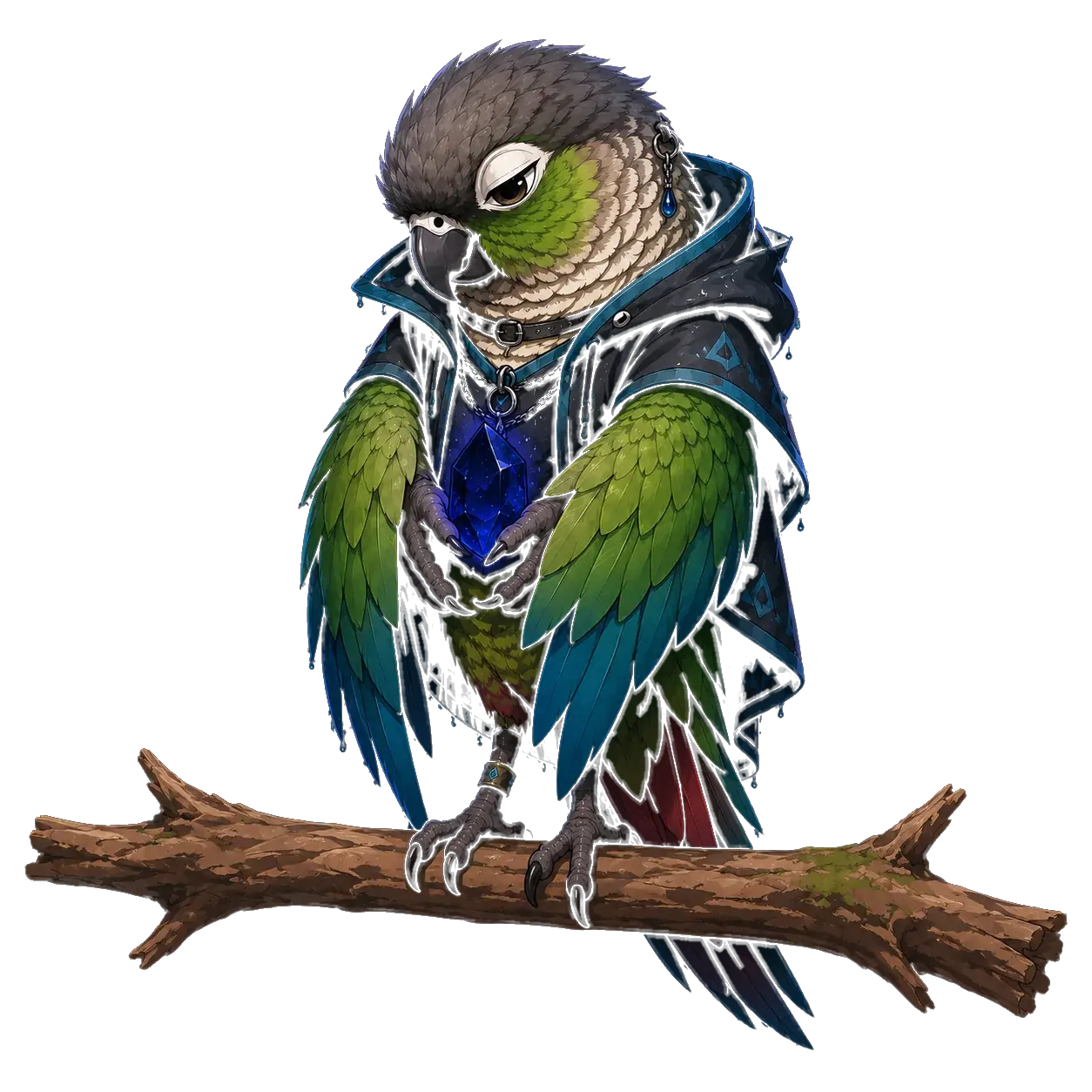
“Push it further — I want to know how deep I'll go.”
What carries it
The last question: once you're in, what carries you further, being pushed toward an edge or being read exactly right?
For E, intensity is the engine: escalation, sharpness, pressure, the charge of getting close to a limit. That isn't recklessness. Pushing toward an edge depends on knowing where the edge is, and on talking about it before and after.
For A, precision is the engine: rhythm, timing, being caught at exactly the right moment, the feeling that someone has read you completely. That isn't mild, either. Precision can be every bit as overwhelming as force.
This letter isn't about how much you want. It's about what moves the experience forward.
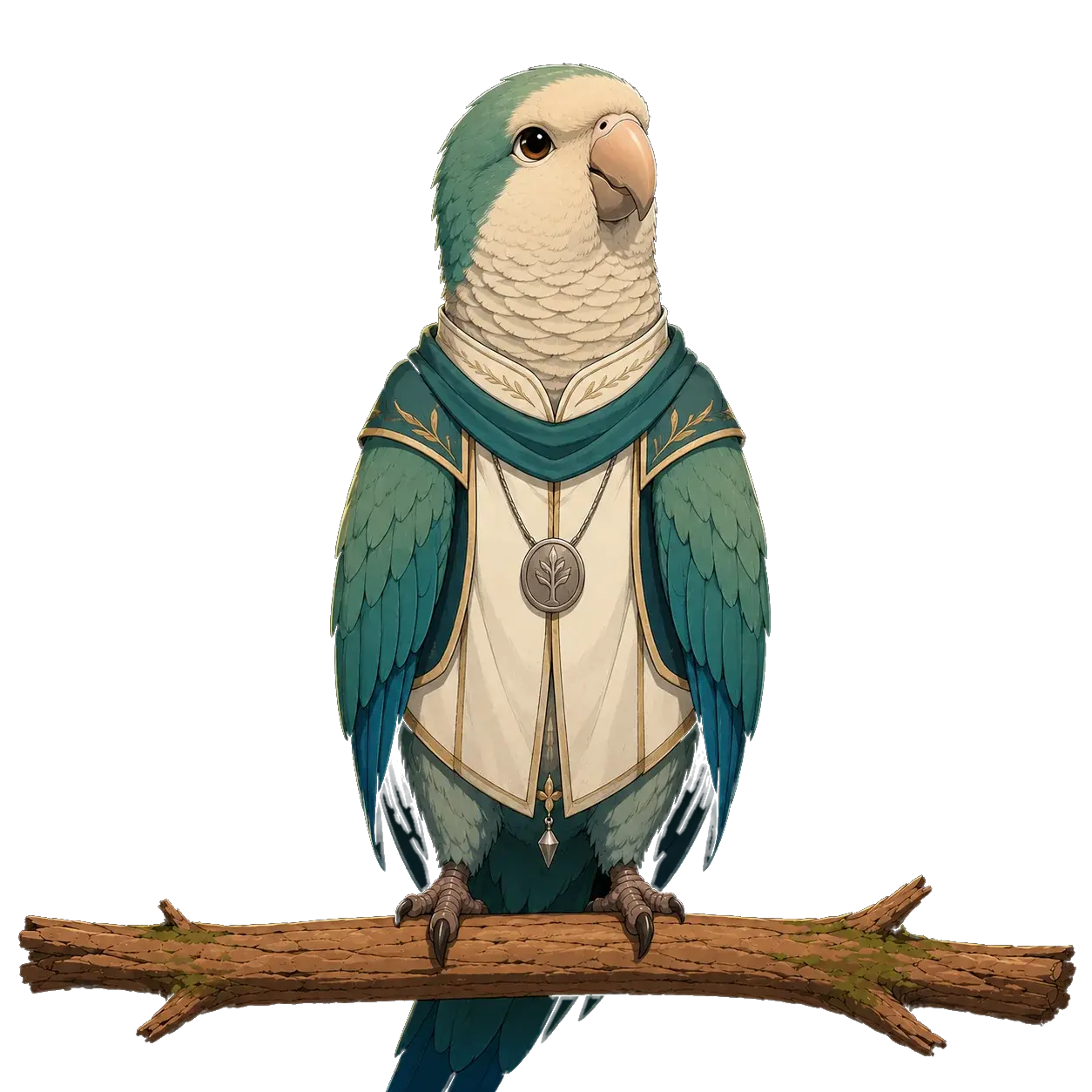
“Marks fade. But ‘I belong to you’ doesn't.”

“Wrapped in you at last — I don't have to hold myself up alone anymore.”
Sixteen
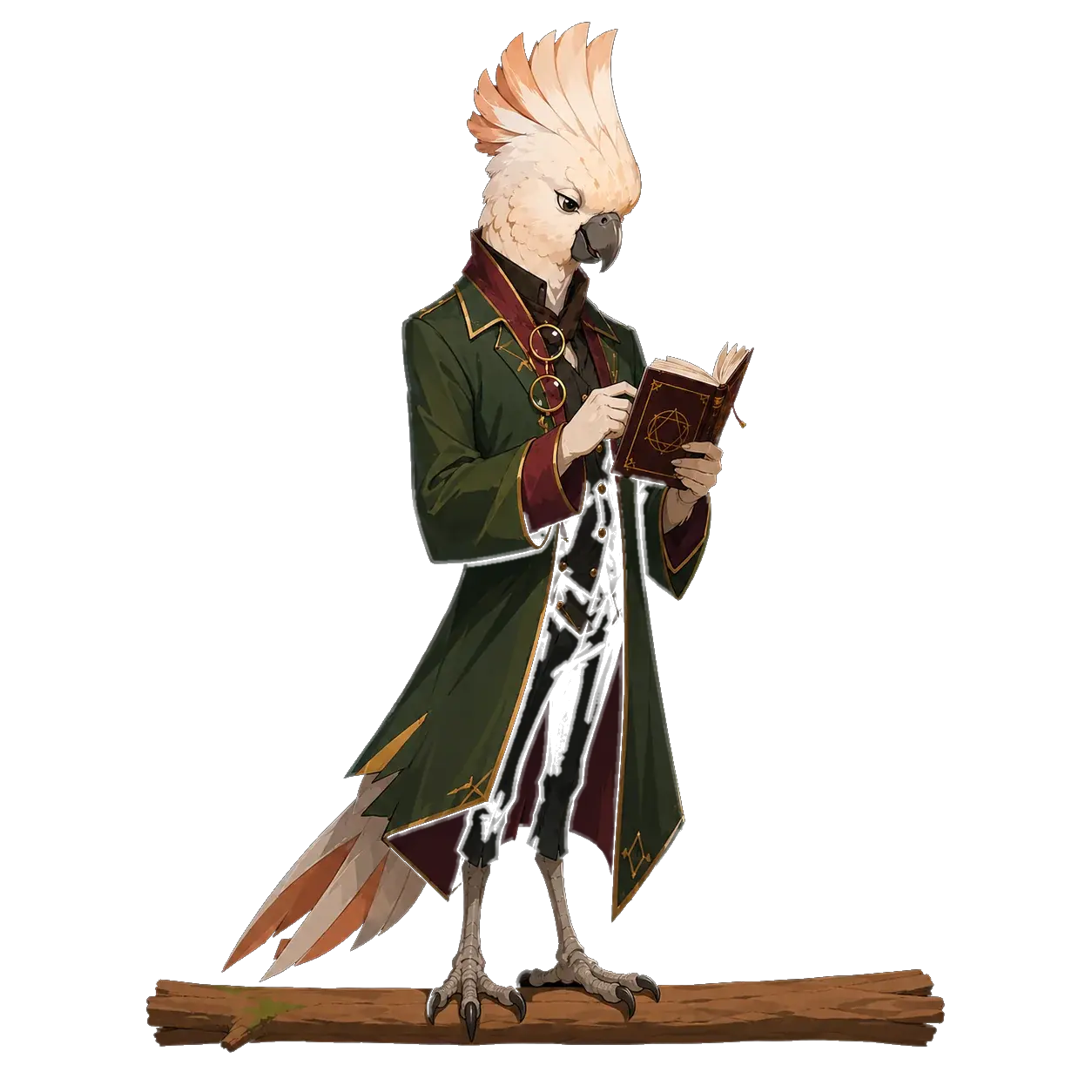
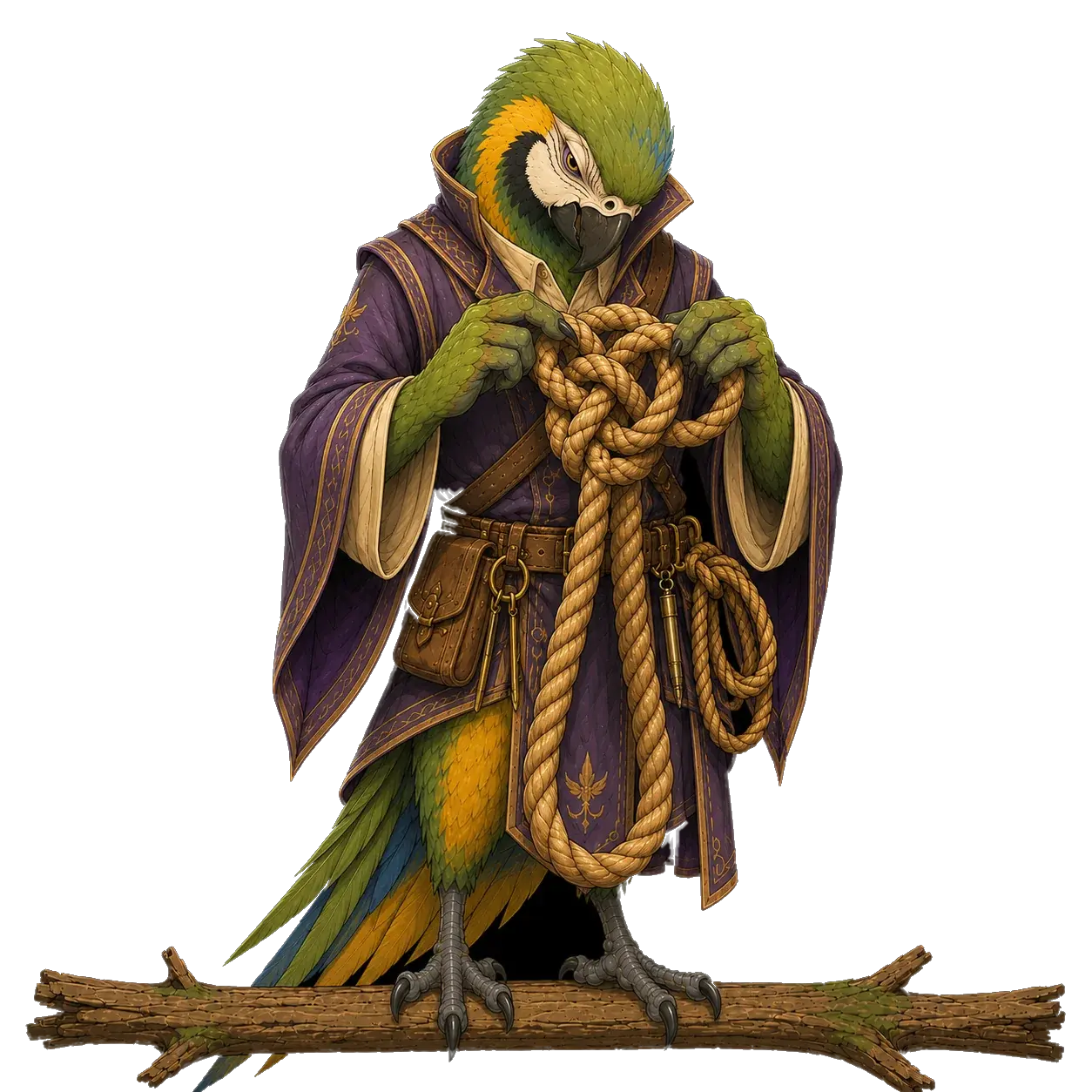
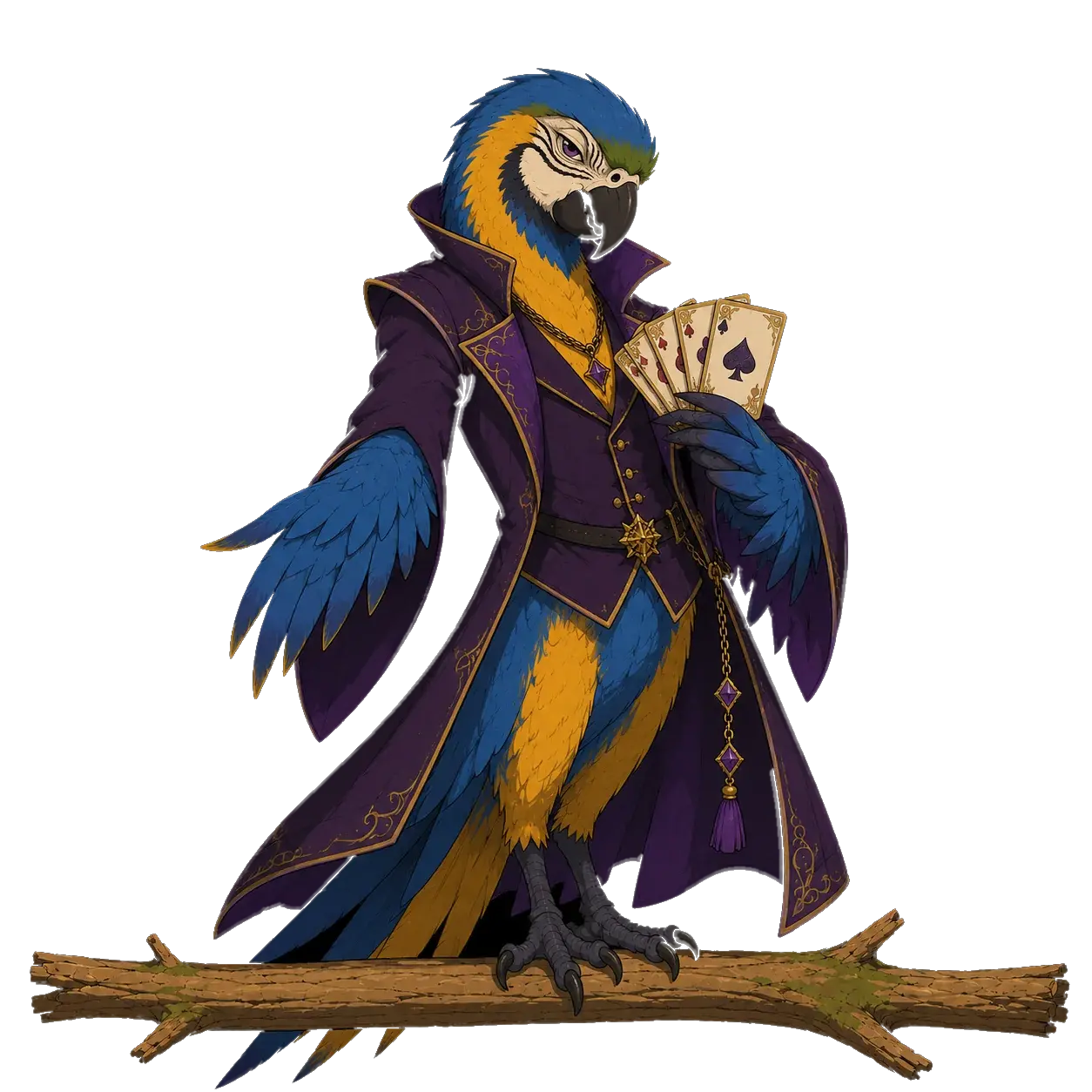
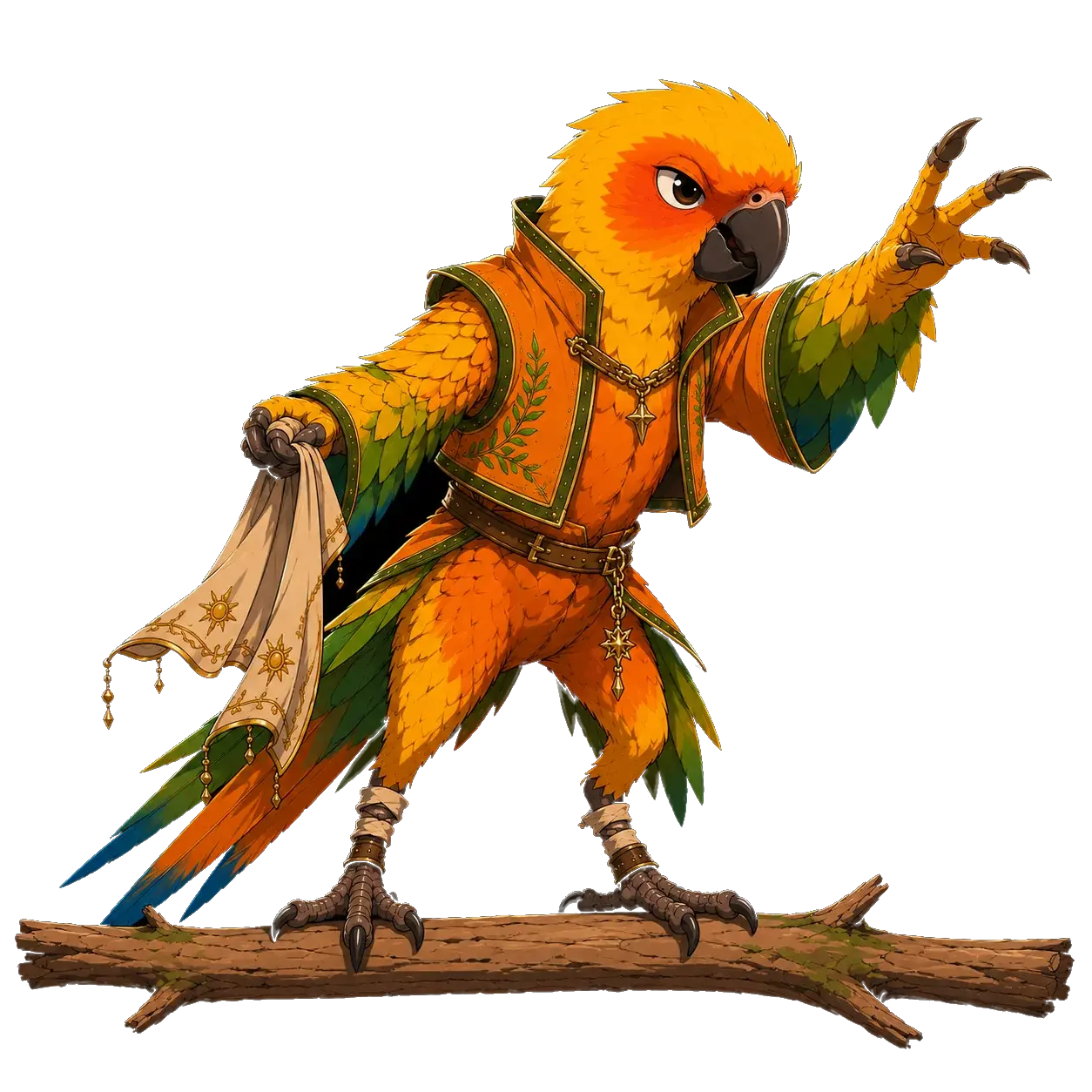
Four questions with two answers each give 2 × 2 × 2 × 2 = 16 combinations. That is all sixteen is: the arithmetic of four questions. It isn't a claim that people come in exactly sixteen kinds. Real people are spread across the whole space, and the types are landmarks that make it easier to say where you are.
Read a code in two halves. The first two letters are where you stand: a relational Dom (DI), a scene Dom (DO), a relational Sub (SI) or a scene Sub (SO). The last two are how you get there: through the body or the mind, pushed to an edge or read exactly right.
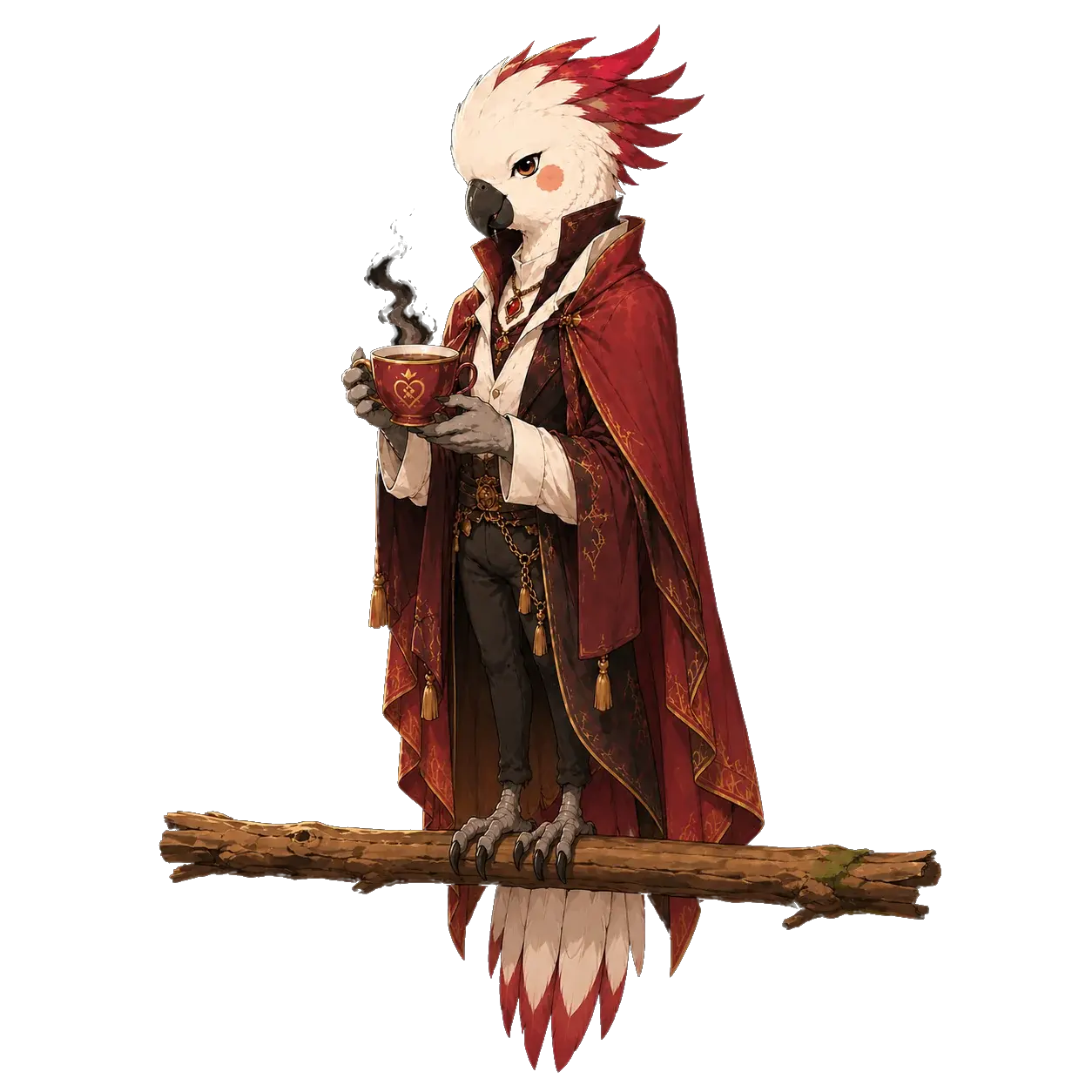


More than four letters
Every dimension is scored from 0 to 100, and the letter only records which side of 50 you land on. At 52 you're close to the middle, and a few answers given differently on another day could flip it. Your result shows the actual scores, and they're worth reading alongside the letters.
Some people don't settle on one side of the first question at all. A few questions measure that separately: whether you'd miss one side if you gave it up, whether you move between leading and following with different partners or within one scene, and whether “both” is the honest answer when someone asks. Your result shows how strong that pull is, alongside your four-letter type and the side you lean toward by default.
Then there's what you actually like to do. The test measures thirteen specific interests: rope and restraint, pain, service, protocol, caregiving, pet play, primal play, bratting, degradation, exposure and age play, plus switching and an appetite for trying new things. They show up as tags like Rigger, Brat or Little. The letters describe how you play; the tags describe what you play with. Two people with the same type can have very different tags.
And every type has a mirror: the one that differs only in the first letter. DIMA and SIMA, SOBE and DOBE. Mirrors get to the same place the same way, from opposite sides, which is often why they recognise each other quickly. That's a starting point, though, not a prediction. A type can't tell you who you'll be good with. Consent, communication, trust and timing decide that.
What a type can't tell you
A type is a description, not a verdict. It isn't a diagnosis: nothing here says any preference is a disorder or that something about you needs fixing. It isn't consent either. Knowing your type doesn't mean you've agreed to anything, or that an activity is safe for you right now.
We want to be just as plain about the evidence. We check that the scoring is consistent and complete, but we haven't published an independent validation study, population norms or reliability estimates. The method page has the details.
Your answers reflect the day you gave them. Mood, a recent partner and how you read a question all play a part, so take it again in a few months and see what moves. And because those answers describe your sexual preferences, we treat them as sensitive data. Privacy & Safety explains how.